
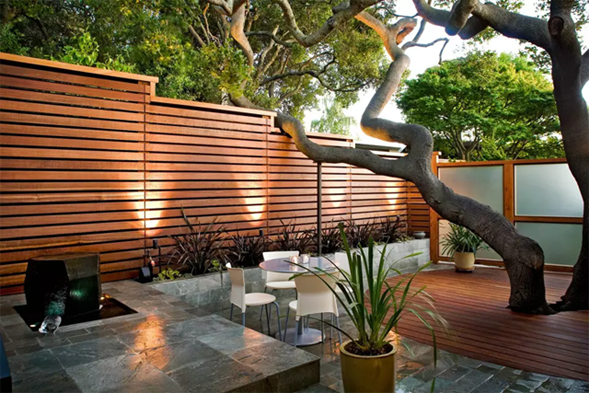
Fence Design for Residential Buildings in Australia: Types, Legal Requirements, and Maintenance
March 28, 2025
Author: Michael Safari
Why Is Fence Design Important in Residential and Commercial Properties?
A fence serves multiple purposes, including defining property boundaries, enhancing security, improving privacy, and adding aesthetic appeal. In structural engineering, designing a fence requires careful consideration of materials, local regulations, environmental factors, and maintenance needs.
This guide explores fence types, legal considerations, maintenance tips, and design strategies for high-wind areas.
Types of Fences for Residential & Commercial Properties
Different fencing materials offer varying levels of durability, maintenance, and security. Here are the most common types:
- Wood Fences
- Provides a natural aesthetic and privacy.
- Requires regular maintenance (sealing, painting, or staining).
- Ideal for residential properties.
- Vinyl Fences
- Durable & weather-resistant with low maintenance.
- Doesn’t rot, warp, or fade like wood.
- Used for both residential and commercial fencing.
- Metal Fences (Steel, Aluminum, Wrought Iron)
- Highly durable and offers strong security.
- Often used for commercial and high-security areas.
- May require occasional rust prevention treatment.
- Chain-Link Fences
- Cost-effective & easy to install.
- Common for large spaces, commercial properties, and security enclosures.
- Minimal maintenance, but may need rust protection over time.
- Composite Fences
- Eco-friendly, made from recycled materials.
- Offers wood-like aesthetics with less upkeep.
- Highly resistant to weather, insects, and decay.
Selecting the right fence depends on security needs, aesthetics, durability, and maintenance preferences.
Legal Requirements for Fence Installation in Australia
Before installing a fence, property owners must comply with local regulations, which typically include:
- Height Restrictions – Limits on fence height, particularly near roads, sidewalks, and front yards.
- Permits & Approvals – Required for fences above certain heights or on shared property lines.
- Boundary Agreements – Neighbors may need to agree on boundary fences, especially for shared residential fences.
- Setbacks & Easements – Some fences must be set back from roads, sidewalks, or utility areas.
Where to Check Fence Regulations?
- Contact your local council for building codes & fencing laws.
- Review neighborhood association rules (if applicable).
- Consult a structural engineer to ensure compliance.
Failing to meet legal requirements could result in fines or mandatory fence removal.
Fence Maintenance: How to Prolong Lifespan & Appearance
Each fencing material has different maintenance needs to ensure longevity and durability.
| Fence type | Maintenance needs |
| Wood | Requires sealing or painying to prevent rot & insect damage. |
| Vinyl | Low-maintenance, occasional cleaning prevents dirt buildup. |
| Metal (Steel, Aluminium, Iron) | Needs rust-resistant coating and periodic painting. |
| Chain-link | Minimal upkeep, but rust protection is recommended. |
| Composite | Low-maintenance, only requires occasional cleaning. |
Regular inspections help detect damage or wear before major repairs are needed.
Fence Design Considerations for High Wind Areas
In coastal regions or open landscapes, fences must be reinforced to handle strong wind loads.
How to Design a Wind-Resistant Fence?
- Use reinforced posts & deep foundations for better stability.
- Choose slatted or semi-solid designs to reduce wind pressure.
- Secure fences with steel brackets and heavy-duty fasteners.
High-wind areas require proper engineering to prevent fence collapse or warping.
Aesthetic & Security Features in Fence Design
Fences can be both functional and visually appealing, depending on their design features.
Aesthetic Enhancements
- Decorative elements like lattice tops & ornamental designs.
- Custom paint colors & wood finishes for a unique look.
- Blending with landscaping elements to complement the property.
Security Enhancements
- Adding spikes, sensor systems, or reinforced gates for security.
- Using taller metal or composite fences for commercial protection.
- Automated gates & surveillance integration for added safety.
Choosing the right fence type, security upgrades, and design elements ensures functionality and visual appeal.
Final Thoughts: Selecting the Best Fence for Your Property
A well-designed fence provides:
- Security & privacy for residential & commercial properties.
- Aesthetic value, complementing the property's architecture.
- Durability, resisting weather, rust, and decay.
- Compliance with Australian fencing regulations.
For expert structural fence design in Melbourne, consulting with engineers & fencing professionals ensures compliance, durability, and long-term performance.
📢 Need Expert Advice on Fence Design?
At Fundament, we specialize in residential & commercial fencing solutions. Contact us today for expert guidance on secure, compliant fence installations!